Back to Blog
Jewelry Guide
How to Take Care of 925 Silver Jewellery and Keep It Shiny
There is something special about wearing a favourite silver necklace, slipping on a familiar ring or putting on earrings that make even a simple outfit feel complete. But if you own 925 silver jewellery, you may have noticed that its shine does not always stay the same. A once-bright bracelet might develop a darker finish, or a necklace left in a jewellery box for weeks may look a little dull.
Before you worry, here is something worth knowing: 925 sterling silver can naturally tarnish over time, even when it is genuine and well-made. Air pollution, moisture, certain cosmetics and storage conditions can all affect its appearance.
The good news is that keeping your silver jewellery looking beautiful does not require an expensive cleaning routine. With a few sensible habits, you can reduce tarnishing, protect delicate details and enjoy your favourite pieces for longer.
In this guide, we will explore practical ways to clean, store and care for 925 silver jewellery, along with common mistakes you should avoid.
1. Understand Why 925 Silver Loses Its Shine
Before learning how to clean silver, it helps to understand why its appearance changes.
925 sterling silver contains 92.5% silver and 7.5% other metals, commonly copper. This combination makes it more practical for jewellery than pure silver alone.
However, silver can react with sulfur-containing substances in the environment, creating a darker surface layer known as tarnish. Humidity, pollution, certain personal-care products and storage conditions may influence how quickly this happens.
You might notice tarnishing first around a necklace clasp, on the underside of a ring or in the small details of a pendant. These areas can collect residue or receive less regular cleaning.
Tarnishing does not automatically mean your jewellery is fake or damaged beyond repair. In many cases, gentle cleaning can restore much of its original appearance.
The important thing is to use the right care method for the specific piece you own.
2. Make a Soft Cloth Your Everyday Cleaning Essential
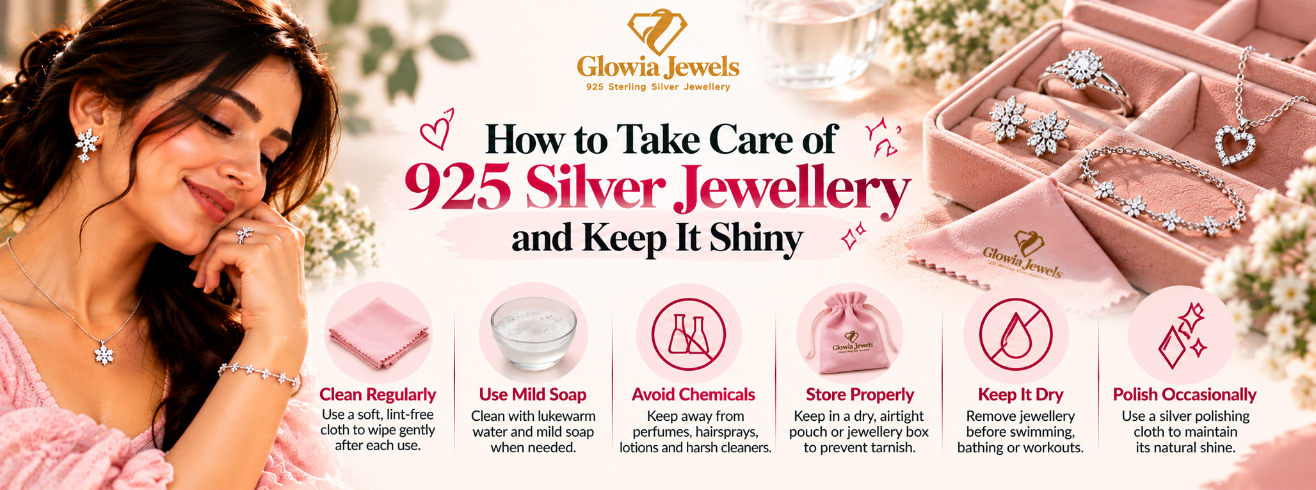
One of the simplest ways to maintain silver jewellery is to wipe it gently after wearing it.
Throughout the day, jewellery can collect natural skin oils, sweat, dust, perfume residue and traces of moisturiser. Leaving this residue on the surface may contribute to dullness over time.
After removing your jewellery, use a clean, soft, lint-free cloth to wipe away these deposits.
For a necklace, gently wipe the chain without pulling or stretching it. For rings and bracelets, pay attention to the areas that touch your skin. Earrings can be wiped carefully around their visible surfaces and posts.
A few important tips:
Use gentle movements rather than vigorous rubbing.
Avoid paper towels and rough fabrics that may scratch delicate finishes.
Use a dedicated silver-polishing cloth when appropriate.
Keep polishing cloths clean and follow their care instructions.
Do not use a silver-polishing cloth on every gemstone or plated surface without checking whether it is suitable.
This small habit takes only a moment and can reduce the need for frequent deep cleaning.
3. Know When Your Jewellery Needs a Proper Clean
A quick wipe is useful after regular wear, but jewellery sometimes needs more attention.
If your 925 silver piece has accumulated visible dirt or residue, first check the care instructions supplied by the seller. For plain sterling silver without delicate stones, glued elements or special coatings, gentle cleaning with lukewarm water and a small amount of mild soap may be suitable.
Follow these steps:
Mix a little mild soap with lukewarm water.
Dip a soft cloth into the solution and gently wipe the jewellery.
If the design allows, use a very soft brush to clean accessible crevices without applying pressure.
Rinse carefully with clean water, taking care not to lose small pieces down the drain.
Dry the jewellery completely with a soft, lint-free cloth.
Do not leave delicate jewellery soaking unnecessarily. Pieces containing pearls, porous gemstones, glued decorations, oxidised details or special finishes may require a different method.
If you are unsure about the materials, ask the seller or a professional jeweller before cleaning the piece.
4. Keep Perfume, Lotion and Hair Products Away From Silver
Getting ready often involves applying perfume, moisturiser, sunscreen, hair spray and other products. Although these products are part of many daily routines, applying them directly over jewellery is not ideal.
Residue can build up on silver and may affect its appearance. Certain ingredients can also react with the metal or damage delicate finishes.
A better routine is simple: apply your personal-care products first, let them dry, and put on your jewellery afterwards.
When getting ready for a special occasion, wear your necklace and earrings after applying perfume and hair products. The same principle applies when using body lotions or creams around rings and bracelets.
If your jewellery comes into contact with a product, wipe it gently once it is safe to do so. Avoid using strong cleaning chemicals to remove residue.
These small adjustments can help keep your pieces cleaner between proper cleaning sessions.
5. Remove Silver Jewellery Before Swimming, Showering or Exercising
Silver jewellery is designed to be worn, but that does not mean every activity is suitable for it.
Swimming pools may contain chlorine and other chemicals that can affect jewellery. Salt water can also be harsh on metals and some decorative materials. Soap, shampoo and conditioner may leave a film on chains and settings.
Exercise introduces another concern: sweat and friction can leave residue on jewellery, while rings and bracelets may get knocked against equipment.
Consider removing your silver jewellery before:
Swimming in pools or the sea.
Showering or bathing.
Working out or playing sports.
Cleaning with household chemicals.
Using products that may leave deposits on the jewellery.
Keep a small jewellery pouch in a safe place if you often remove your accessories while travelling or at the gym.
Most importantly, remember where you place your jewellery. A piece kept safely in a pouch is better protected than one left beside a sink or on a changing-room counter.
6. Store Every Piece Properly Instead of Tossing Everything Together
A jewellery box can help protect your silver, but how you store the pieces matters.
When chains, rings, earrings and bracelets are thrown into one compartment, they can become tangled or scratch one another. Delicate clasps may bend, and fine chains can be difficult to untangle without causing damage.
For better storage, keep individual pieces in separate soft pouches or compartments. Choose a dry place away from direct sunlight, humidity and household chemicals.
A few useful storage habits include:
Store silver jewellery in individual pouches or separated compartments.
Use a jewellery box with a soft lining.
Keep chains fastened when practical to reduce tangling.
Store jewellery away from bathrooms and other damp areas.
Consider a suitable anti-tarnish pouch or strip.
Make sure pieces are completely dry before storing them.
An airtight bag or container can help reduce exposure to air and moisture, provided the jewellery is clean and dry before being sealed inside.
If you own several silver pieces, organising them by type can also make it easier to find the right accessory without unnecessary handling.
7. Choose the Right Cleaning Method for Your Jewellery Design
Not every silver piece should be cleaned in exactly the same way. The metal may be similar, but the construction and finish can change what is safe.
Here is a quick guide.
Jewellery type
Care approach
Plain 925 silver ring
Wipe regularly; use mild soap and water if suitable.
Silver chain or necklace
Wipe gently and avoid pulling delicate links.
Silver earrings
Clean carefully around posts, hooks and decorative settings.
Gemstone jewellery
Check the stone's cleaning requirements before using water or polish.
Rhodium-plated silver
Use a soft cloth and avoid abrasive polishing that may wear the finish.
Oxidised silver
Avoid aggressive polishing that may remove the intended dark detailing.
For jewellery with pearls, glued stones or intricate settings, professional advice may be the safest choice.
The goal is not to use the strongest cleaner available. It is to remove residue while preserving the design, finish and structural details.
8. Be Careful With Popular DIY Silver-Cleaning Hacks
If you search online for silver-cleaning advice, you will find plenty of home remedies involving baking soda, toothpaste, aluminium foil, vinegar and other household ingredients.
Some methods may work under particular conditions, but they are not suitable for every jewellery piece.
Toothpaste can contain abrasive ingredients that scratch surfaces. Aggressive rubbing can wear away plated finishes or remove decorative oxidation. Household chemicals may also damage gemstones, adhesives and delicate components.
Even methods that appear effective on a plain silver item can be unsuitable for a detailed necklace or a ring containing several materials.
Before trying a cleaning hack, ask yourself:
Is the piece plain sterling silver or does it have a special finish?
Does it contain gemstones, pearls or glued decorations?
Could the method scratch the surface or remove intentional detailing?
Are the product's care instructions available?
If the answer is uncertain, choose a gentle cloth or consult a jeweller instead.
A little caution is better than accidentally damaging a piece you love.
9. How to Restore Shine When Silver Starts Looking Dark
Sometimes, regular wiping is not enough. If your silver jewellery has developed noticeable tarnish, a suitable silver-polishing cloth or a product specifically intended for sterling silver may help.
Start with the least abrasive method recommended for your item. Follow the product instructions and test only where appropriate.
Avoid polishing aggressively in an attempt to make the jewellery look brand new immediately. Repeated heavy polishing can gradually remove metal, wear a coating or alter decorative finishes.
For complicated designs, heavily tarnished items or jewellery with gemstones, professional cleaning may be the better option.
It is also important to understand that scratches, worn plating and structural damage cannot always be corrected through cleaning. If the surface looks uneven or a clasp has become loose, a jeweller may need to repair the piece rather than simply polish it.
10. Give Your Jewellery a Quick Check Every Few Weeks
Jewellery care is not only about shine. A small inspection can help you notice problems before they become more serious.
Every few weeks, take a moment to examine your frequently worn pieces.
Check necklace clasps, bracelet closures, earring backs and ring settings. Look for loose stones, bent links, damaged hooks or signs that a component needs repair.
If a stone appears loose, stop wearing the item until it has been checked. Continuing to wear it may cause the stone to fall out.
For jewellery you wear often, regular inspection is especially useful because small issues can develop gradually without being obvious during everyday use.
Keeping your jewellery in good condition means looking after both its appearance and its construction.
11. Build a Simple Silver Jewellery Care Routine
You do not need a complicated schedule to look after your collection. A routine that fits naturally into your day is often more effective than occasional intensive cleaning.
After wearing: Wipe your jewellery gently with a soft cloth and put it away in a dry place.
Once a week: Check your most-used pieces for residue, tangles or loose components.
When needed: Clean suitable pieces with mild soap and water, or use an appropriate silver-polishing product according to its instructions.
Every few weeks: Inspect clasps, links, earring backs and settings for signs of wear.
Before special occasions: Check that the jewellery is clean, dry and secure before wearing it.
Adjust this routine according to how often you wear your jewellery and the conditions it is exposed to. A ring worn every day may need more attention than a necklace reserved for special occasions.
Consistency is what makes the difference. Small, regular habits are usually easier to maintain than trying to restore an entire jewellery collection at once.
Frequently Asked Questions
Does genuine 925 silver tarnish?
Yes. Genuine sterling silver can tarnish when it reacts with substances in the environment. Tarnishing is normal and does not automatically mean the jewellery is fake.
Can I wear 925 silver jewellery every day?
Many 925 silver pieces are suitable for everyday wear, depending on their design and construction. Remove them before activities involving chemicals, swimming, heavy exercise or unnecessary exposure to moisture.
Can I clean sterling silver with toothpaste?
It is generally better to avoid toothpaste because some formulations contain abrasives that may scratch silver or damage special finishes. Use a suitable silver-polishing cloth or a cleaner intended for your specific jewellery.
How should I store 925 silver jewellery?
Store clean, dry pieces separately in a jewellery box or soft pouch in a cool, dry place. Anti-tarnish storage materials may also help reduce tarnishing.
Does silver jewellery need professional cleaning?
Not every piece needs professional cleaning. However, a jeweller can help with heavy tarnish, intricate designs, delicate gemstones, loose settings and jewellery that requires repair.
Final Thoughts
Keeping 925 silver jewellery shiny is less about constant polishing and more about understanding how to care for it properly. Wipe away everyday residue, store each piece in a dry place, avoid unnecessary contact with chemicals and choose cleaning methods that suit the jewellery's material and finish.
Most importantly, do not panic when your silver begins to lose its brightness. Natural tarnishing can often be managed with appropriate care, while damaged finishes and loose settings deserve more specialised attention.
At Glowia Jewels, discovering jewellery you love is only part of the experience. Knowing how to look after your favourite pieces helps you enjoy them across everyday moments, celebrations and special occasions.
With a little care and the right habits, your silver jewellery can remain a valued part of your collection for years to come.

Comments (0)
Sabse pehle comment karo!
Leave a Comment